
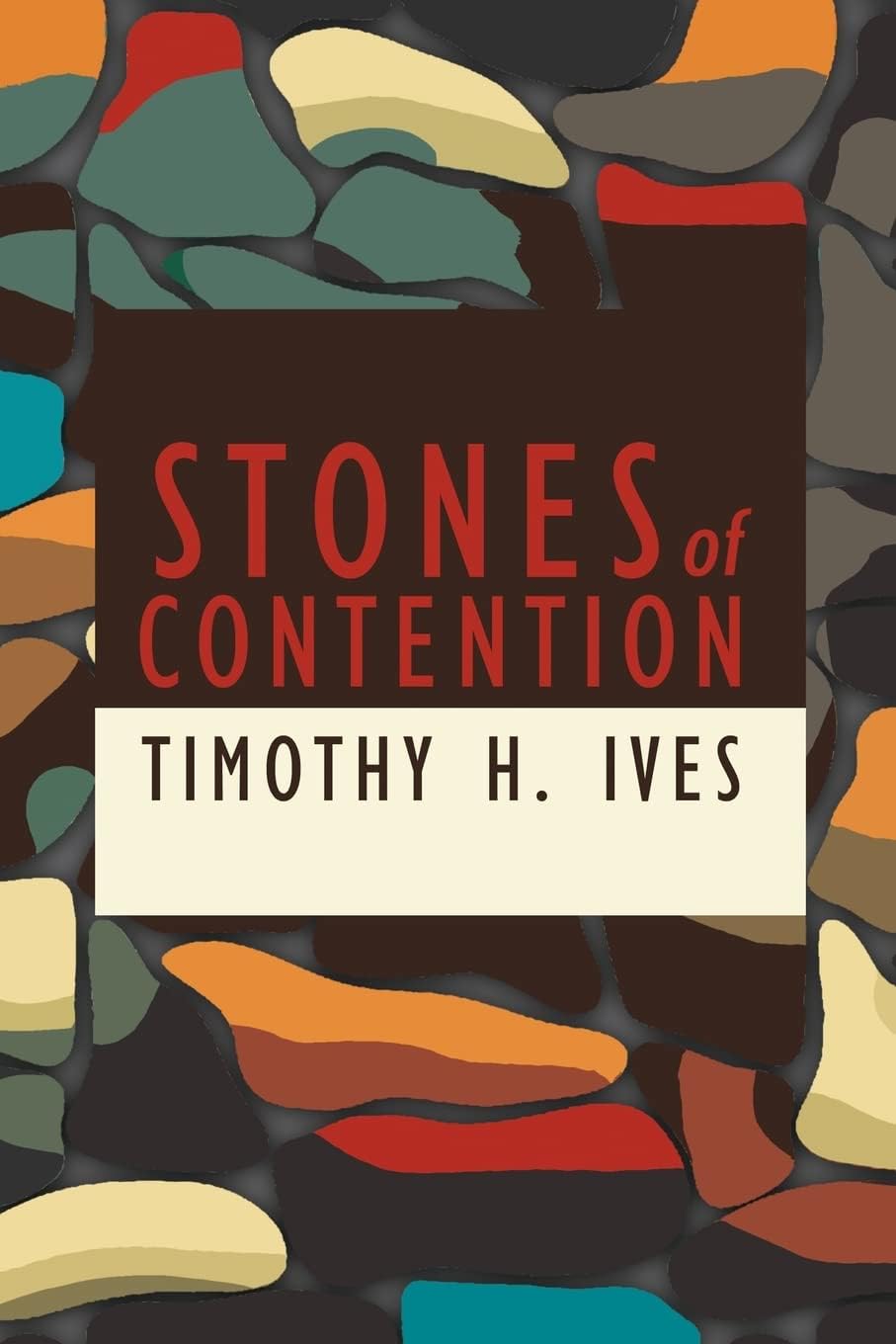

Description
Book Synopsis: It is becoming impossible to deny that the pervasion of leftist ideology in New England is precipitating a retrogression of race relations among descendants of colonial-era populations. This is exemplified by the Ceremonial Stone Landscape Movement, the central claim of which is that many, if not most, of the stone heaps, walls, and other structures scattered about the region's secondary forests are not vestiges of abandoned historic farmsteads but ancient Indian ceremonial constructions that require protection from the ongoing ravages of settler colonial development. Applauded for its voguishly defiant pose against Western histories and institutions, this claim has been uncritically embraced by tribal authorities, established scholars, residential property owners, and even federal and municipal agencies. For who, in this golden-age of identity politics, dares question indigenous sacred property claims? But there is an elephant in the room. Sourcing political power from old racial anxieties, this activist movement galvanizes a victimhood identity among Indians, weaponizes white settler colonial guilt, and tramples the boundary between history and propaganda before an understandably confused and racially paranoid public. As this movement's top persona non grata, Dr. Ives exposes its ironic origins in the settler colonial imagination, defends the fascinating histories that it undermines, and considers its costs to society at large. This book may interest those studying archaeology, cultural resource management, decolonialism, race relations in post-Civil Rights era America, leftist bias in academia, and New England history.
Details
Are you tired of the pervasive influence of leftist ideology in New England? Do you believe that race relations among colonial-era populations are regressing? It's time to challenge the mainstream narrative and explore the Stones of Contention. This groundbreaking book exposes the flaws in the Ceremonial Stone Landscape Movement and its impact on our society.
What if we told you that the stone heaps, walls, and structures scattered across the region's forests might not be ancient Indian ceremonial constructions at all? Dr. Ives, the leading voice against this movement, uncovers the truth behind these claims and reveals the fascinating histories that they undermine.
Join the ranks of scholars, archaeologists, and cultural resource management enthusiasts who refuse to accept one-sided narratives. By questioning the validity of indigenous sacred property claims, we can challenge the victimhood identity and racial paranoia that this movement perpetuates. It's time to dismantle the boundaries between history and propaganda.
If you are curious about decolonialism, the biases within academia, or the history of New England, Stones of Contention is a must-read. Take a stand against the regressive ideologies and be part of the enlightened few who seek the truth. Don't let this opportunity slip away.
Click here to grab your copy of Stones of Contention and embark on a journey that unveils the hidden complexities of our society.
Discover More Best Sellers in Archaeology
Shop Archaeology
Comparative Osteology: A Laboratory and Field Guide of Common North American Animals

 Archaeology - Comparative Osteology: A Laboratory and Field Guide of Common North American Animals

Transcendence: How Humans Evolved through Fire, Language, Beauty, and Time
Archaeology - Transcendence: How Humans Evolved through Fire, Language, Beauty, and Time

Archaeology Essentials: Theories, Methods, and Practice
Archaeology - Archaeology Essentials: Theories, Methods, and Practice


Routes: Travel and Translation in the Late Twentieth Century
Archaeology - Routes: Travel and Translation in the Late Twentieth Century
 Archaeology - The Popular Handbook of Archaeology and the Bible: Discoveries That Confirm the Reliability of Scripture

Egyptian Treasures from the Egyptian Museum in Cairo
Archaeology - Egyptian Treasures from the Egyptian Museum in Cairo

 Archaeology - The Monuments of Assyria, Babylonia, and Persia: With a New Key for the Recovery of the Lost Ten Tribes

